
Trend by head
Record sample results by head or station. A local trend is easier to correct before it becomes a line-wide fault.
Routine maintenance helps protect ROPP cap sealing performance, tamper-band quality and opening torque consistency. Operators should inspect tooling, bottle support, cap feed and production checks regularly.
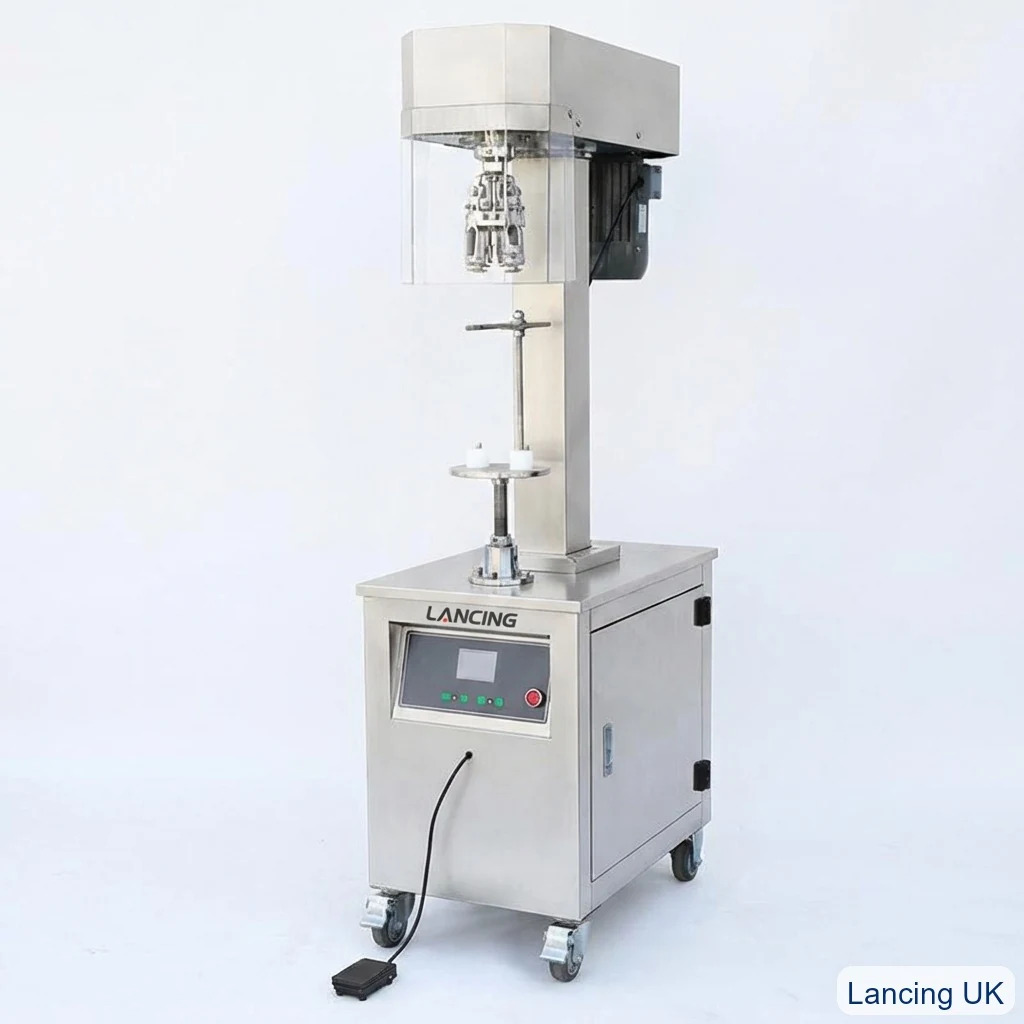
Preventive checks
ROPP capping heads use mechanical contact to form the cap. Worn, dirty or misaligned tooling can create gradual changes in torque, cap appearance and tamper-band break behaviour.
A simple routine should include cleaning cap feed tracks, checking rollers, recording torque results and reviewing samples after changeover or maintenance work.
Specification guide
These symptoms can indicate setup or wear issues.
| Area | Why it matters | Action |
|---|---|---|
| Torque drift | Possible tooling or setup shift | Check head height and roller condition |
| More cap scuffing | Possible dirty or worn contact points | Inspect rollers and cap feed |
| Increasing rejects | Possible guide or support issue | Review bottle handling and change parts |
Process
These steps help turn the search query into a working ROPP capping specification.
Clean feed and contact parts.
Inspect rollers and guides.
Check settings against setup sheet.
Run sample bottles.
Record torque and visual results.
Related ROPP guidance
These pages cover the wider equipment range, technical checks and the enquiry route for samples and quotations.
FAQ
Checks should be part of routine production, especially after changeovers, cleaning and maintenance.
Capping head, rollers, bottle support, guides and cap feed components have direct impact.
Yes, by keeping tooling clean, aligned and consistent between runs.
Recording torque and visual checks helps identify drift and supports troubleshooting.
Send your cap size, bottle height, neck finish, samples and target output for practical advice.
Quality-led maintenance
A maintenance plan should combine time-based checks with condition evidence from the cap, bottle, feeder and individual capping heads.
| Area | Routine evidence | Escalation clue |
|---|---|---|
| Cap feed and transfer | Cleanliness, wear, alignment, cap marks, sensor function and recovery access. | Increasing jams, scuffs, inversions or intermittent cap shortage. |
| Bottle handling | Guide condition, support, starwheel/pocket wear, centring and transfer stability. | Skewed caps, shell wrinkles or defects linked to one path position. |
| Capping head and rollers | Roller condition, free movement, fasteners, pressure pad, head height and approved settings. | Head-specific torque, thread, band or finish drift. |
| Controls and inspection | Sensors, fault messages, reject route, stop/restart and line handshakes. | Uncertain bottles escaping after faults or false reject trends. |
| Change parts | Part identity, condition, storage, cleanliness and format-specific set-up sheet. | Longer changeovers, repeated adjustment or wrong first-off condition. |
Record sample results by head or station. A local trend is easier to correct before it becomes a line-wide fault.
Use labelled approved and rejected samples when checking roller wear, bottle support or cap-feed marking.
After adjustment or maintenance, complete first-off approval and the required quality checks before production release.
Send the fault pattern, head identity, settings, packaging lots and good/bad samples for technical review.
Escalation boundary
Escalate when the safe cause cannot be established from the authorised maintenance procedure, the same defect returns after controlled checks, multiple heads or formats are affected, guarding or control functions are involved, or the proposed intervention needs information, tooling or competence not available on site.
Preserve good and rejected packs, machine identity, alarms, settings, recent changes and parts already checked. This evidence helps separate packaging-lot variation from feeding, handling, capping-head, drive, sensor or control faults.