
Liner construction
Material, thickness, facing and any barrier function are selected for the closure and product. Use the supplier’s identified specification.
The liner and bottle sealing surface create the pack seal while the formed thread and pilfer band control retention and opening. The correct compression and test method depend on the selected closure system, bottle and product.
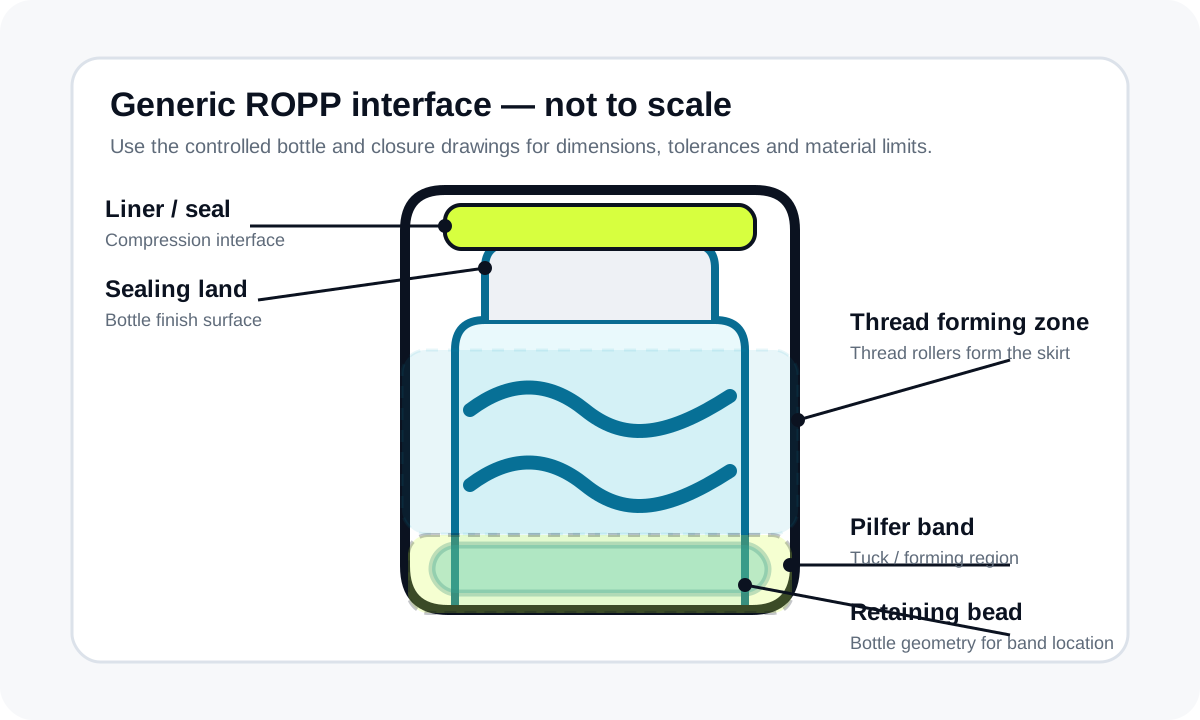
Seal principle
A ROPP closure does not seal because the aluminium thread looks sharp. The liner or sealing element must contact the intended bottle surface under the conditions defined by the closure system. Bottle finish geometry, damage, contamination, cap seating, top pressure and liner construction can all affect the result.
Use the closure supplier’s approved cap and liner combination. Do not substitute liner materials or assume one setting transfers between products without review. Filled-pack trials are important where product residue, pressure, temperature or storage orientation can change the seal condition.
Seal variables
Material, thickness, facing and any barrier function are selected for the closure and product. Use the supplier’s identified specification.
The contact land must be dimensionally suitable, clean and free from chips or damage that interrupt liner contact.
The cap must arrive squarely and be seated by the correct head condition before thread and band forming are accepted.
Fill temperature, internal pressure, product residues, transport and storage orientation can affect the relevant test plan.
Leak investigation
Excessive force can damage the shell, liner, insert or bottle. Isolate the evidence first.
| Check | What it can reveal | Controlled action |
|---|---|---|
| Incoming bottle finish | Damage, out-of-round condition, incorrect finish or contaminated sealing land. | Compare with approved drawing and clean retained reference bottles. |
| Incoming closure and liner | Wrong liner, displaced insert, shell damage or packaging-lot change. | Identify the lot and compare uncapped samples with approved stock. |
| Cap seating and height | Skewed placement, insufficient or excessive compression, inconsistent support. | Reset from a controlled first-off procedure and verify across heads. |
| Thread and band formation | Off-centre bottle, roller interference or tooling mismatch. | Review head alignment and compare the affected station with an approved one. |
| Test method | Inconsistent conditioning, fill, temperature, dwell or result interpretation. | Repeat by the documented method using traceable samples. |
Authoritative references
CETIE publishes cap and finish data sheets for several aluminium screw-closure and glass-finish systems, together with bottling guides and pressure-resistance test references. For wine, a named closure system may combine a specific aluminium cap, bottle finish, liner and application condition. The exact supplier system—not a generic website description—controls the final choice.
CETIE cap data sheets · CETIE finish data sheets · CETIE test recommendations
Trial planning
Identify the bottle, cap and liner lots and compare them with the selected supplier references.
Set bottle support, cap placement and forming condition without product contamination obscuring the result.
Use the intended product or approved trial equivalent and reproduce the relevant neck, fill, temperature and handling condition.
Follow the agreed time, orientation, opening and leak/pressure method. Record raw results and sample identity.
Keep labelled samples, settings and lot references so later changes can be compared with the approved pack.
Buyer questions
The closure and liner specification should be agreed with the closure supplier and packaging owner for the product and bottle. The machine trial then confirms application.
No. Excessive compression can damage components or distort the closure. Use the approved setting and finished-pack tests.
Product residues, fill temperature, internal pressure and storage can introduce conditions that a dry sample does not reproduce.
Yes. Opening performance and seal integrity are related evidence but not interchangeable. Use the complete quality plan.
Segregate the bottle and investigate the supply condition. Machine adjustment should not be used to compensate blindly for an out-of-spec sealing surface.
Send closure and bottle drawings, filled samples, current leak evidence and the test method your pack must pass.