
How should buyers compare ROPP capping machine quotations?
Compare the complete accepted-bottle project: the controlled bottle and closure, machine architecture, cap feed, change parts, output conditions, quality evidence, integration and support scope.
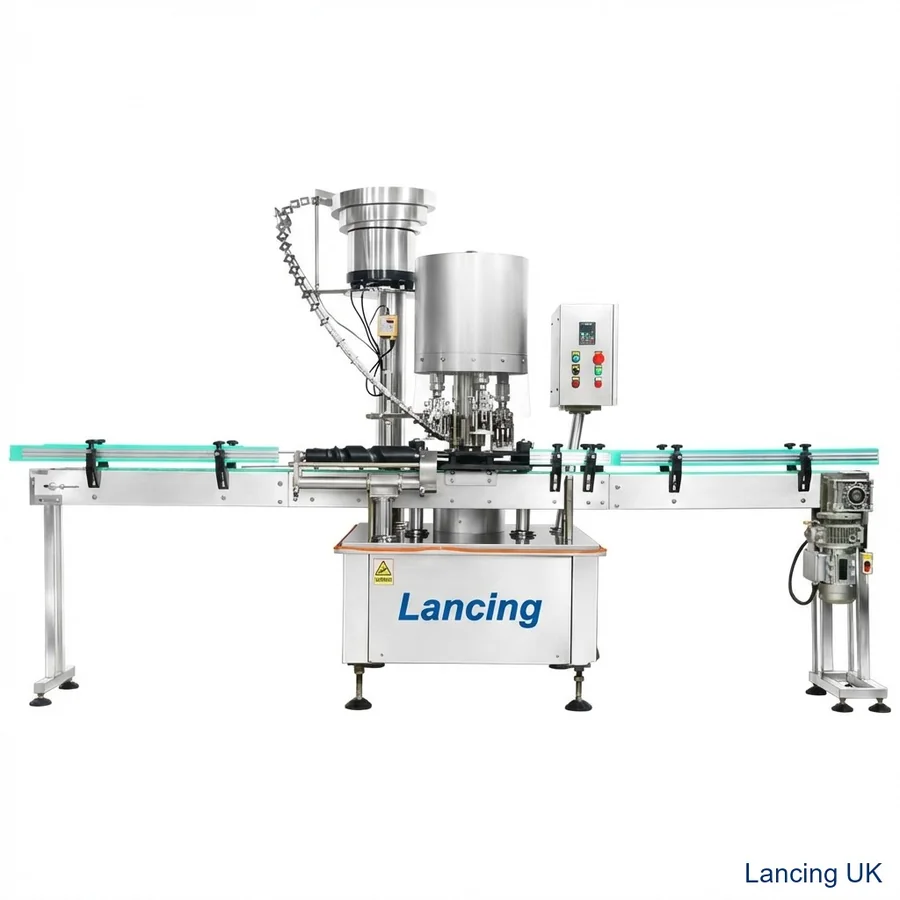
Direct answer
Compare the complete accepted-bottle project, not only the capper price.
A useful ROPP quotation comparison puts every supplier against the same controlled pack, output definition, line boundary and acceptance evidence. The comparison should show what is included, what is excluded, what remains conditional on samples and which party owns cap feeding, change parts, controls, installation and finished-cap approval.
Where a statement depends on bottle or closure trials, keep it as a condition rather than turning it into an unsupported guarantee.
Like-for-like comparison
Eight areas that should be visible in every ROPP proposal.
Unknown items can remain conditional, but they should not disappear from the scope.
| Area | What to compare | Evidence or condition |
|---|---|---|
| Pack definition | Bottle finish, closure, liner, insert or pourer and production samples. | Drawing revisions, supplier references and sample lots. |
| Machine architecture | Semi-automatic, inline single-head or rotary multi-head arrangement. | Why the architecture suits the required line and format range. |
| Cap presentation | Manual placement, bulk feeder, chute, buffer, transfer and recovery. | Cap orientation, decoration protection and low-cap behaviour. |
| Change parts | Guides, supports, starwheels, cap tracks, tooling and settings. | Included formats and any future engineering review. |
| Output | Accepted bottles during a defined run, not an isolated cycle rate. | Pack, speed, run duration, stops, rejects and counting method. |
| Quality | Visual finish, dimensions, opening, leak and tamper-band checks. | Customer, bottle and closure supplier acceptance criteria. |
| Integration | Conveyors, filler, cap feeder, coder, labeller, inspection and controls. | Signal list, ownership boundaries and abnormal-state behaviour. |
| Project support | FAT, delivery, installation, commissioning, SAT, training and spares. | Deliverables, attendance, exclusions and handover records. |
Decision sequence
Use a controlled comparison in seven steps.
Freeze the comparison pack
Issue the same drawings, samples, format list, output need and line information to every supplier.
Separate verified facts from assumptions
Mark which statements come from supplied evidence, which require a trial and which are project options.
Define accepted output
State how stops, rejects, cap shortages and downstream restrictions will be counted.
Map responsibilities
Identify who supplies the feeder, conveyors, guarding, controls, utilities, inspection and installation work.
Compare changeover and maintenance
Review access, tooling storage, set-up records, wear items and support for future formats.
Agree acceptance evidence
Use the same sample matrix, tests, witness plan and deviation process.
Compare total project risk
Assess unresolved interfaces and evidence gaps as well as purchase price.
Downloadable worksheet
Record each supplier against the same decision fields.
The blank comparison file does not set technical limits. It creates a traceable place to record inclusions, exclusions, evidence and open actions.
Buyer questions
Questions about comparing ROPP capping quotations.
Is the lowest-priced ROPP capper necessarily the lowest-cost project?
No. The lowest machine price can exclude cap feeding, format parts, controls, guarding, trials, installation or the evidence needed to release saleable bottles. A fair comparison uses the same bottle and closure scope, the same acceptance definition and the same responsibilities for every proposal.
Should output be compared as machine cycles or accepted bottles?
ROPP output should be compared as accepted bottles produced under stated conditions. Machine cycles do not show losses caused by cap-feed interruptions, bottle spacing, stops, rejects, inspection or downstream restrictions. Ask each supplier to state the pack, run conditions and counting method behind any output reference.
How should change parts and future formats be compared?
List every current and planned bottle and closure format, then compare which guides, supports, starwheels, cap tracks, head settings and tooling are included. A quotation should identify what is common, what changes by format and which future formats still require a trial or engineering review.
What should be written into the FAT and site-support scope?
The quotation should distinguish factory acceptance testing, delivery, installation, commissioning, site acceptance, operator training and production support. For each stage, define the samples, functions, run conditions, quality checks, witness responsibilities, records and treatment of deviations.
Compare proposals against your real bottles, caps and acceptance plan.
Send the controlled pack and line scope to Lancing for a project-specific ROPP review.